
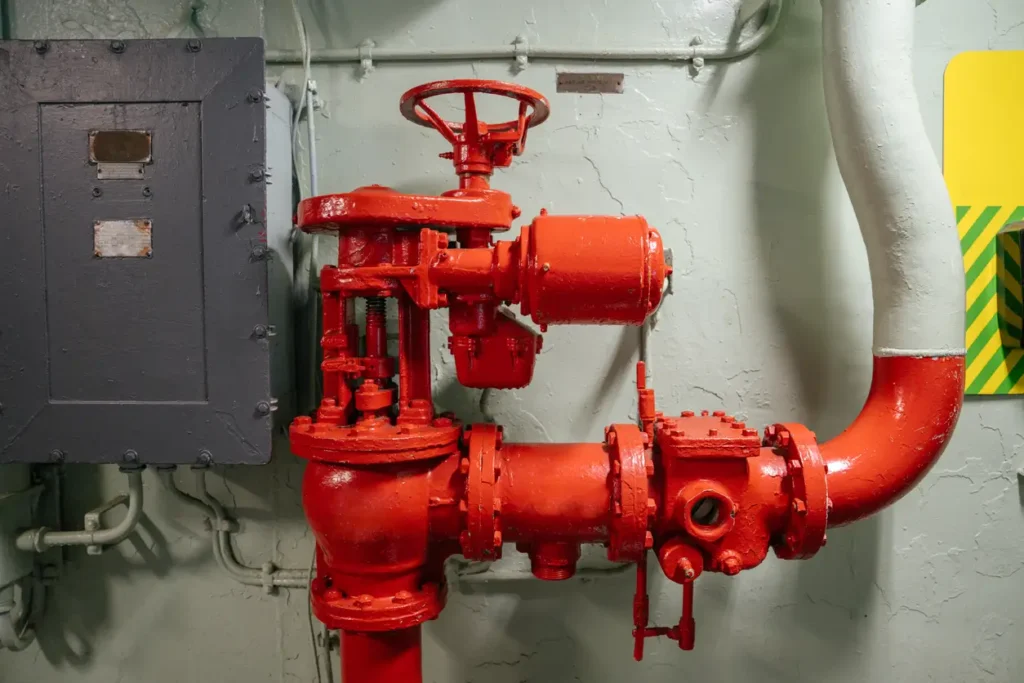
If a fire suppression system fails, it is rarely because it was installed incorrectly. More often, it is because it has not been tested, checked, or monitored properly over time.
Testing fire suppression equipment is not about ticking compliance boxes. It is about making sure the system can protect lives, maintain operational continuity, and safeguard valuable assets when it matters most.
This guide explains how often fire suppression systems should be tested, what testing usually involves, and where specialist fire safety testing instruments can help identify issues that are not always visible during a standard inspection.
How Often Should a Fire Suppression System Be Tested?
Fire suppression systems should typically be checked monthly, inspected at set intervals, and serviced at least annually, depending on the system type, environment, manufacturer guidance, and fire safety regulations.
Monthly checks usually focus on visible condition, pressure gauges, access, and obvious signs of damage. More detailed inspections may include cylinder contents checks, pressure testing, system function checks, detector testing, and room integrity testing where gas suppression systems are installed.
Some cylinder-based systems also require more detailed contents or pressure checks at longer intervals, depending on the agent, system design, and applicable standards.
What Is Fire Suppression System Testing and Why Does It Matter?
Fire suppression system testing checks whether the system is still able to detect, activate, and control a fire as intended.
This can include checking:
- Detection systems, including alarms and detectors
- Pressure levels within cylinders or pipework
- Fire suppression agent contents
- Activation mechanisms and control panels
- Distribution components, such as sprinkler heads or discharge nozzles
- The condition of the protected enclosure
These systems are critical fire safety equipment. If one part fails, the entire system may not perform as expected.
That is why testing should not rely on visual inspection alone. In many cases, specialist instruments are needed to confirm whether a cylinder still contains the correct amount of agent, whether pressure has changed, or whether a room can hold the suppression agent long enough to work.
Why Regular Fire Suppression Testing Is Critical for Safety and Compliance
Fire suppression testing is essential for safety, compliance, and long-term system reliability.
Key reasons to test regularly include:
- Protecting lives through rapid and reliable system response
- Reducing the risk of system failure during a fire
- Supporting compliance with fire safety regulations
- Identifying potential problems before they become serious
- Maintaining the performance of fire systems over time
Under UK fire safety legislation, the responsible person must make sure suitable fire safety measures are in place and properly maintained. Guidance from organisations such as the Fire Industry Association can also help duty holders understand expected best practice.
Failing to test and maintain suppression systems can lead to legal issues, insurance complications, and increased fire risk.
How Do You Test a Fire Suppression System Properly?
Understanding how testing is carried out is just as important as knowing how often it should happen.
A proper fire suppression system inspection may include:
- Visual inspection — checking for damage, corrosion, poor access, missing labels, or signs of wear
- Pressure checks — confirming pressure gauges are within the correct range
- Detection system testing — making sure alarms and detectors respond correctly
- System function testing — checking activation mechanisms and control panels
- Sprinkler system inspection — looking for blocked, damaged, or poorly positioned sprinkler heads
- Cylinder contents checks — confirming there is enough fire suppression agent in the cylinder
- Room integrity testing — checking whether the protected space can retain the suppression agent
- Performance verification — making sure the system can operate effectively under the right conditions
Testing should be carried out carefully, without causing unnecessary discharge, disruption, or risk to the site.
Where Specialist Fire Safety Testing Instruments Help
Some faults cannot be spotted just by looking at the system.
For example, a cylinder may appear to be in place and in good condition, but still have lost agent. A protected room may look sealed, but still allow gas to escape through small gaps. A pressure gauge may also give only part of the picture, especially where more detailed monitoring is needed.
This is where specialist testing equipment is valuable.
Coltraco Ultrasonics provides non-invasive testing instruments that help fire safety teams, marine operators, facilities managers, and engineers check important parts of fire suppression systems without unnecessary dismantling or system shutdown.
Depending on the system, this can support checks for:
- Fire suppression cylinder contents
- Inert gas system pressure
- Agent loss or leakage
- Room integrity and airtightness
- Flow and pipework performance
For cylinder-based systems, non-invasive liquid level indicators for fire suppression cylinders can help check agent contents while cylinders remain in position. Coltraco’s liquid level indicator range is designed for fire suppression systems using agents such as CO2, FM-200™, NOVEC™ 1230 and Halons.
What Causes Fire Suppression System Failure?
Most systems do not just stop working out of nowhere. Problems usually build up slowly, often because something small was missed during maintenance or routine checks.
Common causes include:
- Pressure dropping in cylinders or pipework
- Fire suppression agent loss
- Sprinkler heads becoming blocked or damaged
- Alarms or detectors not working properly
- Corrosion affecting system components
- Poor installation or incomplete system upgrades
- Leakage from the protected enclosure
Even a minor fault can affect how well the system performs.
That is why regular inspection matters. It helps identify risks early, before they affect the system’s ability to protect people, equipment, and valuable assets.
What Factors Affect How Often Testing Is Required?
How often a fire suppression system needs to be tested is not the same for every setup. It depends on the type of system, the environment, the level of fire risk, and the standards that apply.
Gas, foam, clean agent, and sprinkler systems can all have different inspection and testing requirements. Harsh environments may also increase wear, which means more frequent checks may be needed. High-risk sites, such as marine, industrial, data centre, laboratory, or energy environments, often require stricter testing routines because the consequences of failure are greater.
Regulatory requirements, manufacturer instructions, and site-specific fire risk assessments should all be used when setting the testing schedule.
What Is a Room Integrity Test and Why Is It Important?
A room integrity test checks whether an enclosure can hold a fire suppression agent long enough to extinguish a fire. This is especially important for gas suppression systems, where the agent must remain in the protected space for the system to work properly.
Room integrity testing helps confirm that the enclosure can retain the extinguishing agent, supports system effectiveness, and reduces the risk of leakage during discharge. Without proper enclosure integrity, even a correctly installed gas suppression system may not perform as expected.
This type of testing is often important in spaces such as data centres, control rooms, laboratories, clean rooms, telecommunications rooms, and other protected enclosures.
How Fire Suppression Testing Supports Long-Term System Performance
Testing is not just something you do to stay compliant. It is what keeps your system reliable over time.
Regular checks help make sure everything is still working as it should, highlight any drop in performance, and give you a clearer picture of what maintenance is needed next.
More importantly, testing reduces the chance of something failing when you need it most. Systems that are looked after properly are far more dependable and perform better in real fire conditions.
Practical Tips for Maintaining Fire Suppression Systems
You do not need to wait for the next scheduled service before paying attention to system condition.
Simple best practices include:
- Carrying out regular visual inspections
- Monitoring pressure gauges consistently
- Keeping records of all testing and maintenance
- Checking cylinder contents where required
- Acting quickly when readings or inspection findings look unusual
- Making sure the system is installed, serviced, and upgraded correctly
- Confirming protected rooms or enclosures remain properly sealed
Good maintenance is one of the most effective protective measures because it reduces the chance of hidden faults going unnoticed.
When Should You Ask for Specialist Advice?
You should ask for specialist advice if you are unsure whether your current testing routine is enough, if your system protects high-value assets, or if your site uses gas suppression, inert gas cylinders, clean agent systems, or sealed protected enclosures.
You should also seek support if:
- Pressure readings are inconsistent
- Cylinder contents need confirming
- A room integrity test has not been carried out recently
- System upgrades have changed the protected space
- The system protects critical infrastructure
- You are unsure whether your inspection records are complete
If you need testing instruments for fire suppression systems, explore Coltraco’s fire safety equipment servicing products
Reliable Testing Protects More Than the System
So, how often should a fire suppression system be tested?
The practical answer is: often enough to prove it will work when needed.
That means following a structured testing schedule, carrying out regular inspections, checking system performance, and using the right instruments where visual inspection is not enough.
Fire suppression systems protect lives, infrastructure, and operations. Testing helps make sure that protection is real, not assumed.
Speak with Coltraco Ultrasonics to learn which testing instruments can support your fire suppression system checks, from cylinder contents monitoring to non-invasive pressure checks and room integrity testing.