
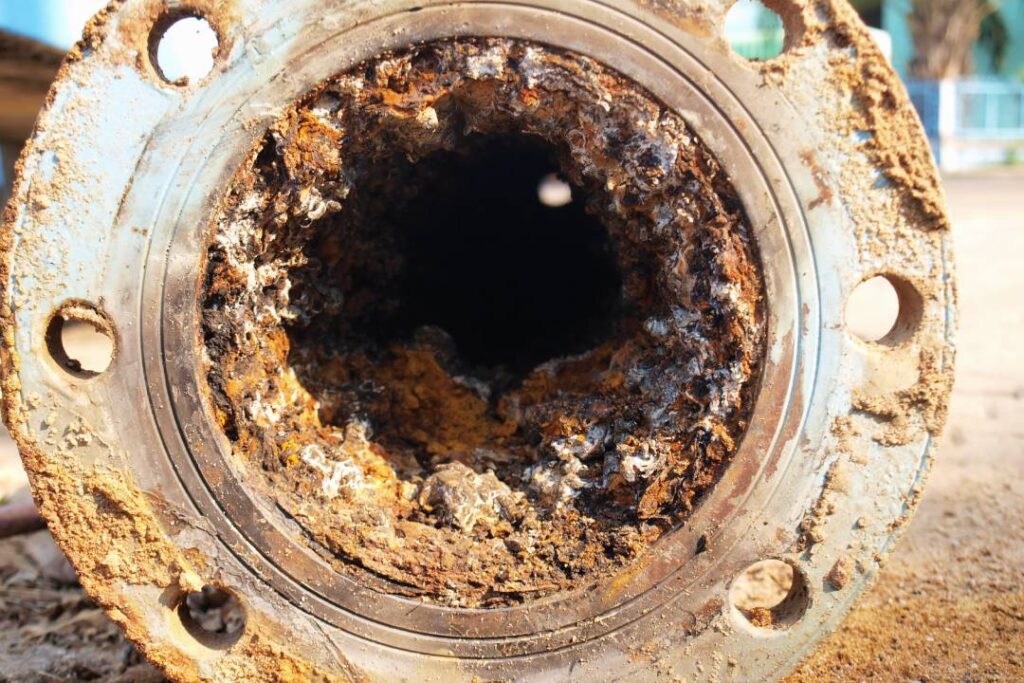
When a pipe, tank, vessel or structural component needs checking, cutting into it is rarely an option. The asset may still be in service. You may only have access to one side. The surface may also be painted or protected by a coating.
That is why the question “What Is an Ultrasonic Thickness Gauge?” matters in practical inspection work. It is not only about measurement. It is about checking wall thickness, finding corrosion, protecting structural integrity and making safer maintenance decisions without damaging the asset.
An ultrasonic thickness gauge helps inspectors, engineers and maintenance teams check wall thickness, material loss and structural integrity using sound rather than destructive methods.
Coltraco’s Ultrasonic Thickness Gauge
An ultrasonic thickness gauge is a non destructive testing device used to measure material thickness from one side. It sends an ultrasonic pulse through the material, receives the returning echo through a probe, and calculates thickness using the sound velocity of that material.
In simple terms, the gauge uses sound to measure the distance between the front surface and the back wall of a material.
This makes ultrasonic testing useful when access is limited, especially on pipes, tanks, pressure vessels, marine structures and industrial components where cutting, drilling or stripping back the surface would create cost, downtime or risk.
What Is a Thickness Gauge Used For?
A thickness gauge is used to measure the thickness of materials, components or surface layers. In industrial inspection, that measurement often supports corrosion monitoring, quality control, manufacturing checks and asset safety.
There are different types of thickness gauge equipment. Some are designed to measure coating thickness or paint thickness. Others are used to measure the actual wall thickness of a material.
An ultrasonic thickness gauge is especially useful when the aim is to measure the remaining material beneath the surface. For example, a pipe may look acceptable from the outside, but corrosion or erosion may have reduced the wall thickness from within.
That is where ultrasonic wall thickness measurement becomes valuable. It helps inspectors assess the condition of the asset without removing sections of pipework or taking the equipment apart.
What Is the Difference Between a Thickness Gauge and an Ultrasonic Thickness Gauge?
A standard thickness gauge may measure films, coatings, sheets or surface layers depending on the method used. An ultrasonic thickness gauge is different because it uses high-frequency sound waves to measure the thickness of a solid material from one side.
For coated assets, the aim is usually not to measure the coating itself. The priority is to measure the true wall thickness beneath the coating.
This is important for painted steel, coated pipework, marine structures, pressure vessels and tanks. Removing paint or protective coatings can expose the surface and increase the risk of further corrosion. A suitable ultrasonic thickness tester can help avoid that problem.
How Does an Ultrasonic Thickness Gauge Work?
An ultrasonic thickness gauge uses a probe, also called a transducer, to send a sound wave into the material being tested. A couplant is usually applied between the probe and the surface so the sound can pass cleanly into the material.
The sound wave travels through the material and reflects from the back wall. The gauge measures how long the echo takes to return. It then uses the material’s sound velocity to calculate the thickness measurement.
Different materials transmit sound at different speeds. Steel, stainless steel, cast iron, PVC, aluminium, fibreglass, glass and rigid plastics all need the correct material setting for accurate measurements.
Why Does Multi-Echo Ultrasonic Thickness Measurement Matter?
Multi-echo ultrasonic thickness measurement is especially useful when testing painted or coated materials.
A single-echo gauge may take a reading that includes the coating. A multi-echo gauge uses more than one reflected echo to isolate the material thickness beneath the coating. This helps the instrument focus on the true wall thickness rather than the total thickness of coating plus material.
Coltraco’s multi-echo ultrasonic thickness gauges can ignore paint layers or coatings up to 20 mm thick, helping inspectors measure material thickness without stripping back the surface.
This is useful for corrosion detection because the surface coating may still look intact while the underlying material has lost thickness.
What Materials Can Be Measured Ultrasonically?
Ultrasonic thickness testers are commonly used on solid materials that can transmit sound clearly. In Coltraco’s thickness gauge range, the focus is on metals, rigid plastics and industrial materials used in wall thickness inspection.
Typical material types include:
- carbon steel and stainless steel
- cast iron and ductile iron
- aluminium, copper and lead
- PVC, nylon and polyethene
- fibreglass and glass
These materials are common in pipework, tanks, vessels, marine structures and manufactured components.
When Would You Use an Ultrasonic Thickness Tester?
An ultrasonic pipe thickness tester is used when you need to measure pipe wall thickness without cutting, drilling or removing pipe sections.
This is common in marine, oil and gas, water systems, power generation, process plants and facilities management. Pipework can lose material through internal corrosion or erosion even when the outside surface appears sound.
By taking repeat readings over time, inspectors can determine whether material loss is stable, worsening or approaching a point where action is needed.
Final Thoughts
An ultrasonic thickness gauge gives inspectors and engineers a practical way to measure wall thickness without damaging the asset. It is used to assess material thickness, check corrosion, support quality control and protect structural integrity across industrial and marine applications.
For Coltraco Ultrasonics, the strongest fit is multi-echo ultrasonic wall thickness measurement, particularly where coated materials, pipes, pressure vessels, tanks and structural components need reliable inspection.
The right gauge depends on the material, the coating, the required accuracy and the inspection conditions. A clear understanding of these factors helps teams choose equipment that gives useful, repeatable readings.
For advice on ultrasonic thickness measurement and suitable equipment for your application, speak to Coltraco Ultrasonics.