
What is an Ultrasonic Hatch Cover Tester?

Cargo damage rarely starts with something obvious. More often, it begins with a small, unnoticed leak—one that develops in a vessel’s hatch cover over time. By the time it’s discovered, the result can already be costly, with water ingress, damaged cargo, delays at port, and disputes that could have been avoided. This is exactly where […]
What is an Ultrasonic Thickness Gauge?
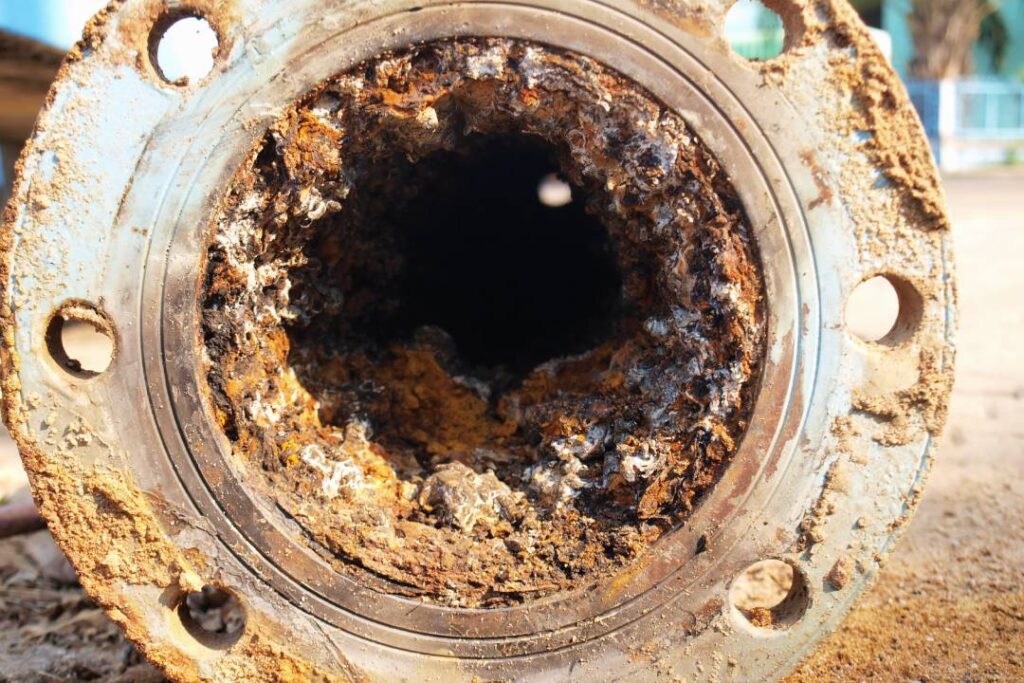
When a pipe, tank, vessel or structural component needs checking, cutting into it is rarely an option. The asset may still be in service. You may only have access to one side. The surface may also be painted or protected by a coating. That is why the question “What Is an Ultrasonic Thickness Gauge?” matters […]
Why Compartmentation Testing Is Overlooked and Undervalued in Fire Safety – But is its Key
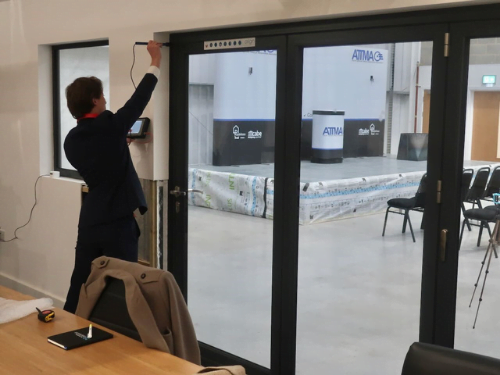
Compartmentation is related to fire stopping in walls and floors, to reduce the spread of fire. Compartmentation often relates to room integrity airtightness testing to ensure that a room is sufficiently sealed, to hold in the gaseous extinguishing agent once its been actuated. Liquefied Gaseous systems are typically made up of CO2, FM200® or Novec™ […]
Why Monitoring CO2 Fire Systems at Sea is Crucial: Introducing Portamarine®
In the maritime industry, ensuring safety isn’t just a best practice—it’s a necessity. According to Lloyd’s List, almost 10% of all total losses at sea in the last decade were caused by fires onboard. As NTSB Chairman Robert Sumwalt rightly said, “Safety isn’t something you have, it’s something you do.” When lives are at stake, neglecting fire systems and their maintenance is simply unacceptable.
Why Pressure Gauges Alone are Insufficient for Detecting Leaks in Gaseous Suppression Systems
Maintaining fire suppression systems is crucial for ensuring the safety of people and property. Traditionally, measuring the contents in these systems has involved labor-intensive and time-consuming methods. However, with advancements in technology, ultrasonic level indicators have emerged as a cost-effective solution. In this blog post, we will explore the drawbacks of traditional methods, introduce ultrasonic […]