
Transforming Industries: Advancements in Non-Invasive Flow Measurement and their Accuracy Improvements.
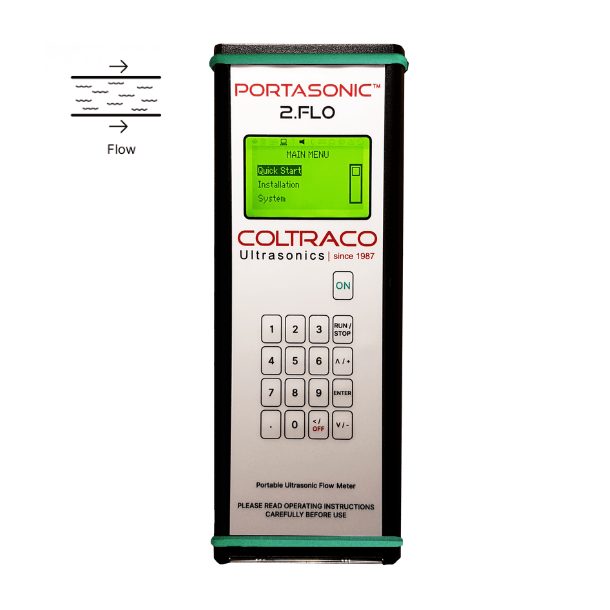
Flow measurement are essential for optimising processes, ensuring safety, and minimising waste with applications in a variety of industries from oil and gas to chemical processing and water management. Traditional methods of flow measurement often involve invasive techniques that can disrupt the fluid flow and pose safety hazards. In this article we will discuss the […]
Ultrasonic Technology in Defence: Safeguarding Naval Platforms with Precision Testing

Equipment integrity is mission-critical in the defence sector. Naval vessels, submarines, and support craft operate in some of the harshest and most unpredictable environments on Earth, where system failure is not just a maintenance issue but a potential threat to operational success and crew safety. Coltraco Ultrasonics supports global armed forces with advanced ultrasonics testing […]
Ultrasonic Testing in Power Generation: Ensuring Safety and Operational Uptime

Reliability is non-negotiable in the high-stakes power generation environment, whether nuclear, gas, hydro, or renewables. Minor equipment failure can lead to significant downtime, regulatory penalties, and safety risks. One of the most effective ways to maintain operational integrity is through non-invasive ultrasonic testing. At Coltraco Ultrasonics, we specialise in precision-engineered solutions that enable power facilities […]
Using Pressure Sensors to Reduce Plant Downtime

At Coltraco, we’ve long recognised that unscheduled downtime is one of industrial operators’ most disruptive and costly challenges. From process interruptions to equipment failure, unplanned maintenance can have a significant financial and operational impact. That’s why we continue to refine ultrasonic instruments such as the Portasonic® Calculator with Permaflow® and the Portagas®. Both support predictive […]
WATCH: Accurate CO2 Cylinder Contents Measurement with Portalevel MAX PLUS and Portasteele® CALCULATOR
Watch the video demonstration of the Portalevel® MAX PLUS + Portasteele® CALCULATOR measuring the liquid level of a 45 KG / 100 lbs CO2 cylinder at 13.8°C. It is commonly known that CO2 levels can vary with temperature. However, the Portasteele® CALCULATOR compensates for the effects of temperature, providing you with accurate agent quantity readings […]
Water ingress on board ships can be devastating, to crew, vessel and cargo.
The Swedish P&I Club have recently stressed that proper weathertightness is a key factor in keeping cargo dry and crew safe. To ensure that the hatch covers are weathertight the sealing system needs to be in a good condition. The North of England P&I Club state that defective hatch cover maintenance is an “expensive problem […]
What are the Main Benefits of Ultrasonic Flow Meters over Inline Flow Meters? Flow Meters Explained
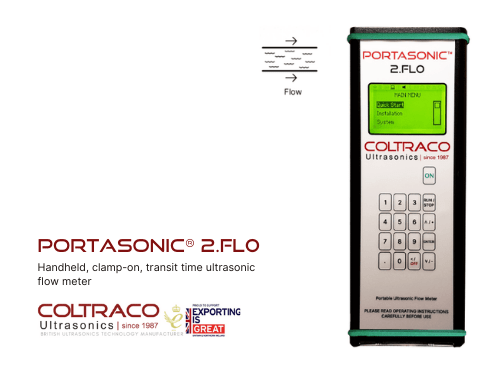
Ultrasonic vs Inline Flow Meters Ultrasonic flow meters use two ultrasonic sensors, clamped on to the outside of the pipe at a pre-determined distance apart. Ultrasonic signal travels between the transmitters through the pipe wall and the fluid within the pipe. If the fluid is flowing, then it takes slightly longer for the ultrasound to […]
What Are The Two Types Of Ultrasonic Flow Meters?

Ultrasonic flow meters are commonly used in various industrial applications to measure the flow rate of liquids and gases. They provide a noninvasive way to measure flow with high accuracy, making them a popular choice for industries ranging from water treatment to oil and gas. There are two main types of ultrasonic flow meters: transit […]
What Is a Chalk Test for Hatch Covers?

A hatch cover can look fully closed while worn seals, poor alignment or small gaps leave the cargo hold exposed to water ingress. A chalk test gives crews a quick way to check whether the rubber packing contacts the compression bar, but it cannot confirm full weathertightness. This guide explains the chalk test procedure, how […]
What Is Air Tightness Testing? A Practical Guide
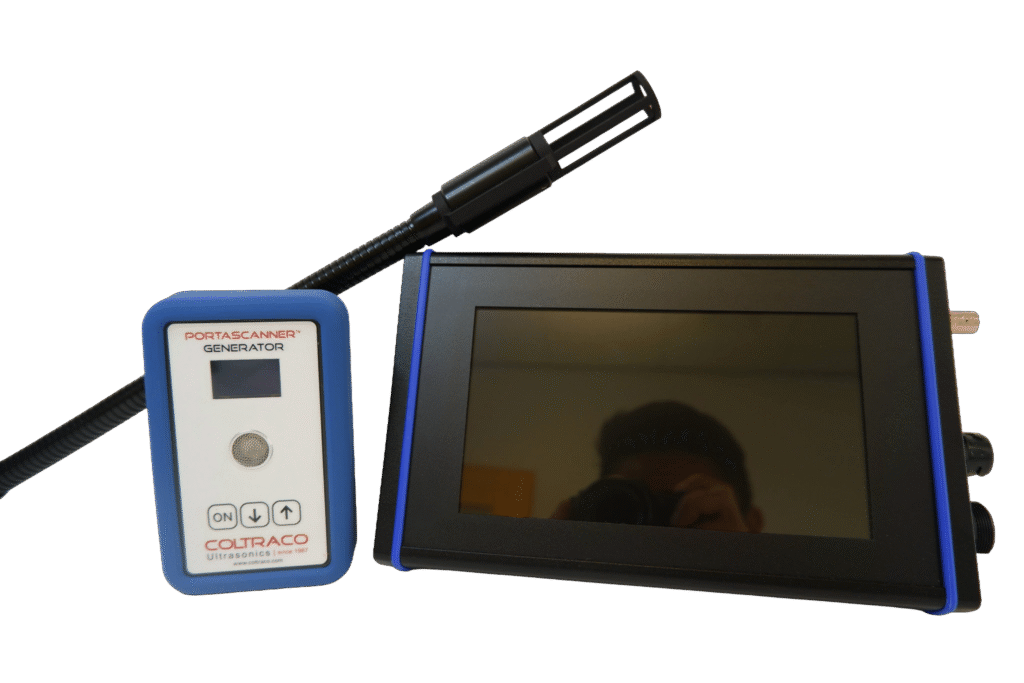
A building can look complete while still losing heated or cooled air through tiny gaps around windows, doors, service penetrations and junctions in the building fabric. These faults are easy to miss during a visual inspection, yet they can contribute to heat loss, higher running costs, uncomfortable draughts and delays at final handover. So, what […]